
DR. MANDANDA LEADS DISCUSSION ON GENDER, DIVERSITY AND INCLUSION AT AAMA 9
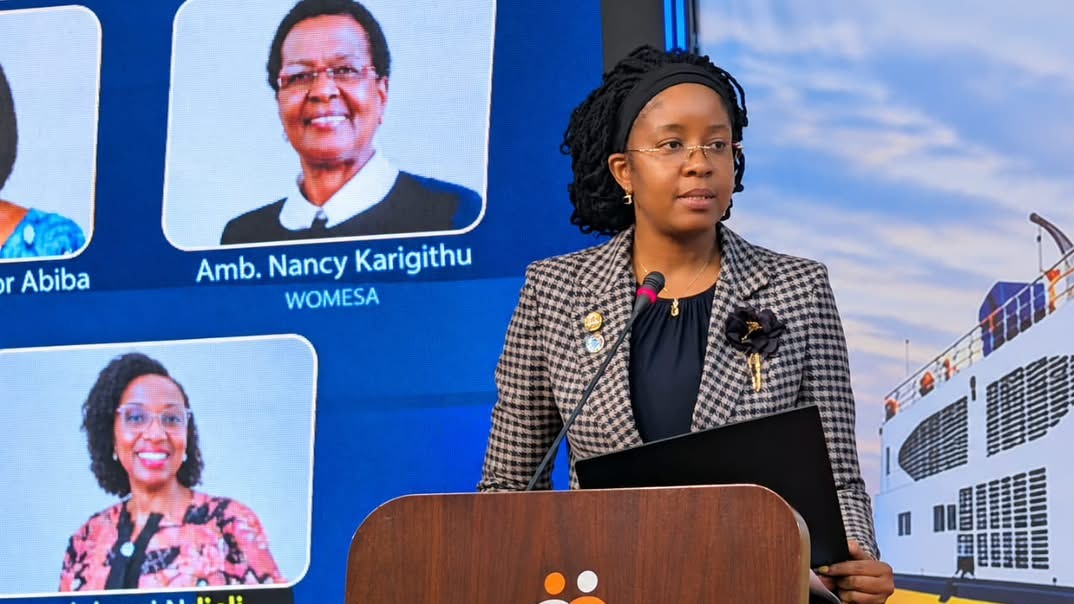
Tanzania’s Alternate Permanent Representative to the International Maritime Organisation (IMO), Dr Devotha Mandanda, chaired a plenary panel discussion on gender, diversity and inclusion on 18 November 2026 during the 9th Association of African Maritime Administrations (AAMA) Conference and General Assembly, held at Speke Resort in Uganda.
The session, held under the theme “Gender, Diversity and Inclusion: Building a Representative and Equitable Maritime Sector”, brought together maritime stakeholders to discuss strategies to promote equal opportunities and strengthen the participation of underrepresented groups across the maritime industry.
Opening the discussion, Dr. Mandanda challenged panellists to examine how African maritime institutions could translate inclusion commitments into measurable results, particularly in recruitment, professional training, promotion and decision-making.
Addressing the panel, IMO Secretary-General, Mr. Arsenio Domínguez, urged maritime administrations to conduct national assessments on gender equality and diversity to establish baseline information, identify barriers and develop targeted interventions.
He noted that IMO had shared its Gender and Diversity Strategy with Member States as a reference for improving representation through education, training, career development and leadership. He also highlighted the importance of providing appropriate personal protective equipment designed for women working in the maritime sector to enhance their safety and participation.
On recruitment, Mr. Domínguez explained that IMO had revised its vacancy announcements to encourage more women to apply, following findings that women were generally less likely than men to apply unless they met all the advertised requirements.
Other discussions focused on addressing barriers affecting women, youth and persons with disabilities in accessing maritime education, employment and leadership opportunities.
The session called on African maritime administrations, employers and training institutions to translate policy commitments into practical measures supported by clear timelines, adequate resources and measurable indicators to advance inclusion across the maritime sector.